
Caribbean Reef Sharks: Why Divers Seek these Sharks Out the Most
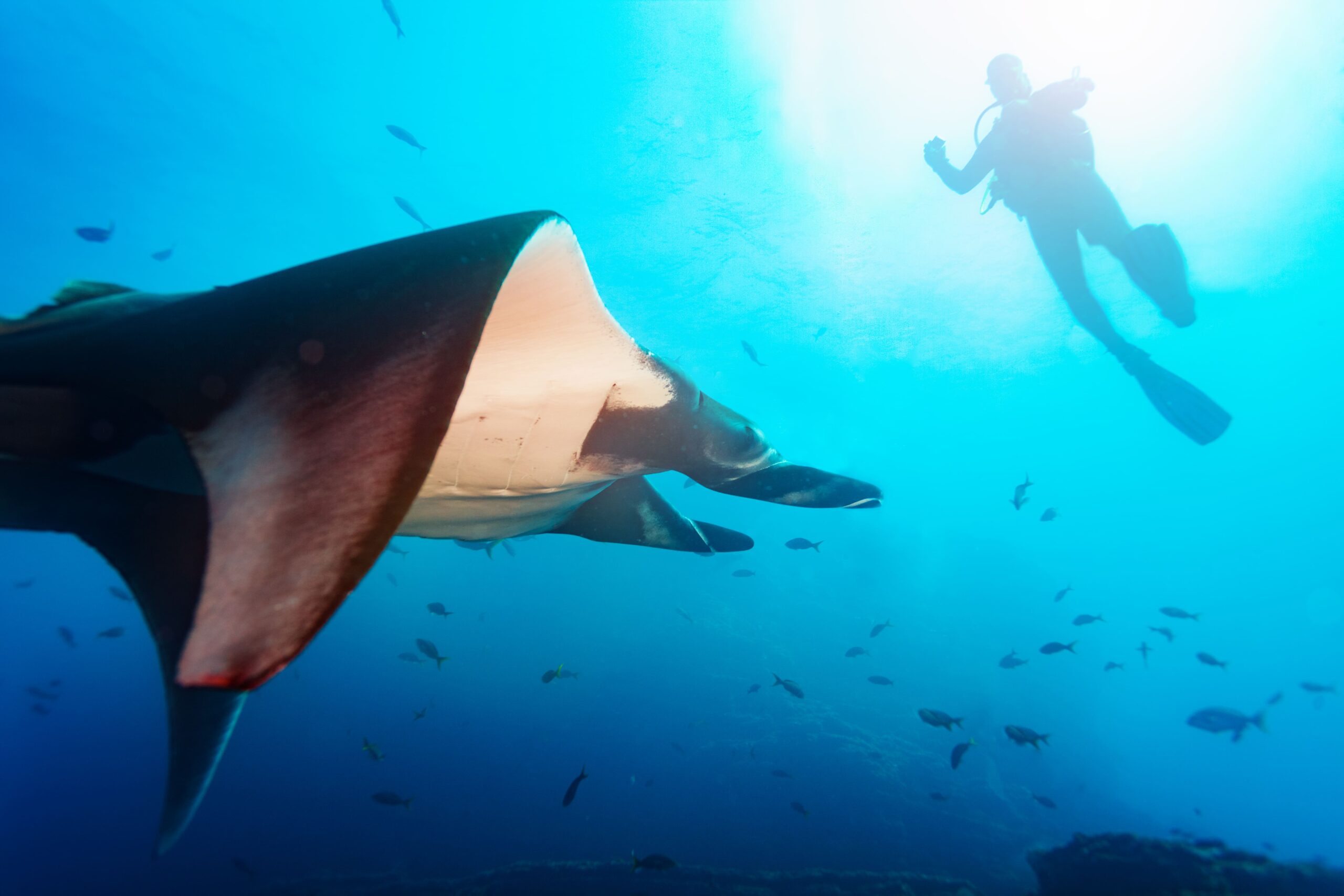
The caribbean reef shark is one of the most commonly encountered and admired shark species by scuba divers across the Caribbean. Diving or snorkeling in the Caribbean is utter bliss. The crystal-clear waters of the Caribbean Sea offer perfect conditions. With mild currents, warm waters, and high visibility, this glassy body of water offers divers and sea lovers an unforgettable experience. These conditions reach an entirely new and exciting level when divers explore the seafloor looking for vibrant encounters. Lobsters, colorful tropical fish, turtles, eels, barracudas, rays, and different types of sharks inhabit these tropical waters.
Amongst the shark species in the waters of the Caribbean Sea, you could meet hammerhead sharks, whale sharks, bull sharks, tiger sharks, lemon sharks, nurse sharks, and blacktip reef sharks. The most distinctive species of shark in the Caribbean is the reef shark caribbean, scientifically known as carcharhinus perezii.
Reef Sharks and Humans
The reef shark is not as well known as the Great White shark, but its size and behaviors make it a unique encounter. Divers seek out the caribbean reef shark due to its uncanny behaviors with humans. These animals do not attack unless provoked. Injury caused by any aquatic animal is usually the result of a defense mechanism of the animal, who feels threatened or cornered. To avoid incidents of any kind, we should respect the animals and interact passively with them.
The reef shark often interacts in submissive ways towards humans, making encounters both thrilling and manageable for experienced divers.
Feeding Reef Sharks: Feed at your own risk.
Expert divers featured on the Discovery Channel have been known to boldly feed the sharks large chunks of meat from their spears. We recommend you approach this at your own risk wearing a metal chain-link diving suit. FIU Marine Scientist Mark Bond and Guy Fieri were the brave divers to feed these voracious sharks. However, this came with fatal risk as a reef shark snapped at the cameraman’s hand as he mistook the camera for food. Luckily he was in a chain metal suit.
Feeding behavior can quickly change the calm nature of the caribbean reef shark, especially when food is introduced into the environment.
Where can I find Caribbean Reef sharks?
The reef shark caribbean is still a common encounter in these waters, and therefore quite popular in the diving and snorkeling world. They love swimming close to the bottom of the reef. They move around sandy bottoms, plateaus, and shallow coral patches. They enjoy the waters of the Western Atlantic Ocean, from the Florida Keys down to Brazil, and divers from all over the world come to meet them around the dive sites of Cuba, the Bahamas, Jamaica, Belize, Aruba, Bonaire, Honduras, and Turks and Caicos.
Spotting a caribbean reef shark in its natural habitat is considered a highlight of many Caribbean dive trips.
Reef Shark Characteristics
With their vigorous movement and streamlined body, the caribbean reef shark is the picture of beauty and grace. Scientifically classified as carcharhinus perezii, they are amongst the large sharks (measuring up to 3 meters/10 feet) found in this part of the world. They are still very peaceful and solitary animals.
They generally hunt for dying prey, the weak specimens of their schools, acting like cleaners of the reef. This is why a reef shark might get excited around speared fish, inquisitively swimming closer and closer to divers and fishing boats. They usually are resting still and almost entirely motionless on the sandy bottom or inside caves or overhangs. This behavior is unusual for other sharks and is a distinctive habit typical of this particular species.
Help protect Reef Sharks.
Their preference for shallow waters and their calm conduct allow many divers, even beginners, to meet the caribbean reef shark. On the other hand, this also exposes them to risks such as local and commercial fishing and shark finning. The reef shark caribbean is considered a near-threatened species on the World Conservation Union red list and is therefore vulnerable to extinction as its population is rapidly decreasing.
Diving with a reef shark remains a unique experience. They are great photography and videography subjects and can be approached at close distance, making your dive one to remember.