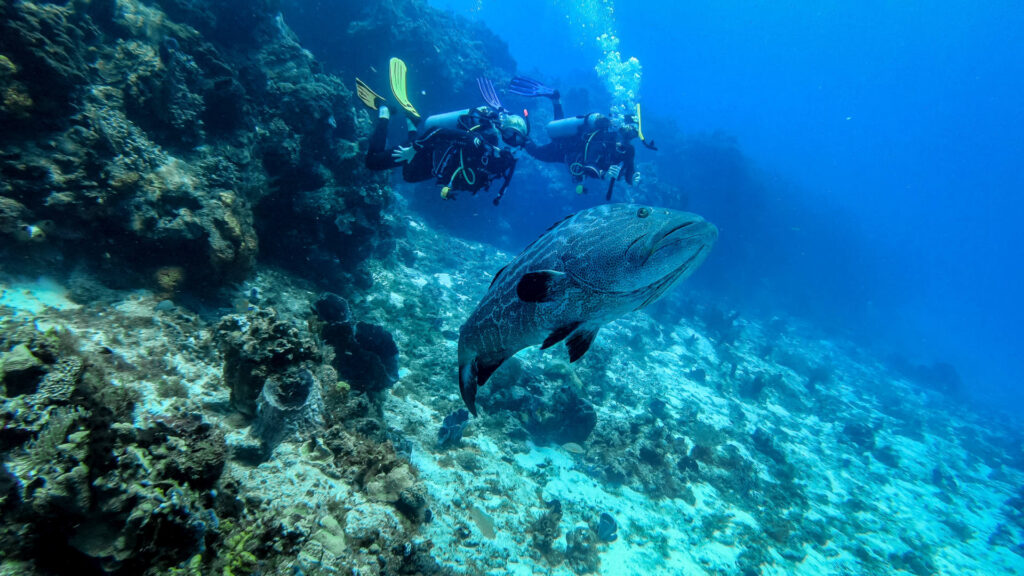
Difference Between SCUBA Diving in Freshwater and Saltwater

blue dahub, egypt


SCUBA diving enables divers to encounter the distinct geography, marine life, and habitat below the water’s surface. Both freshwater and saltwater SCUBA diving can present unique challenges and sensations. Do you have trouble deciding where to dive first? Here is the difference between SCUBA diving in freshwater and saltwater.

SCUBA Diving in Freshwater

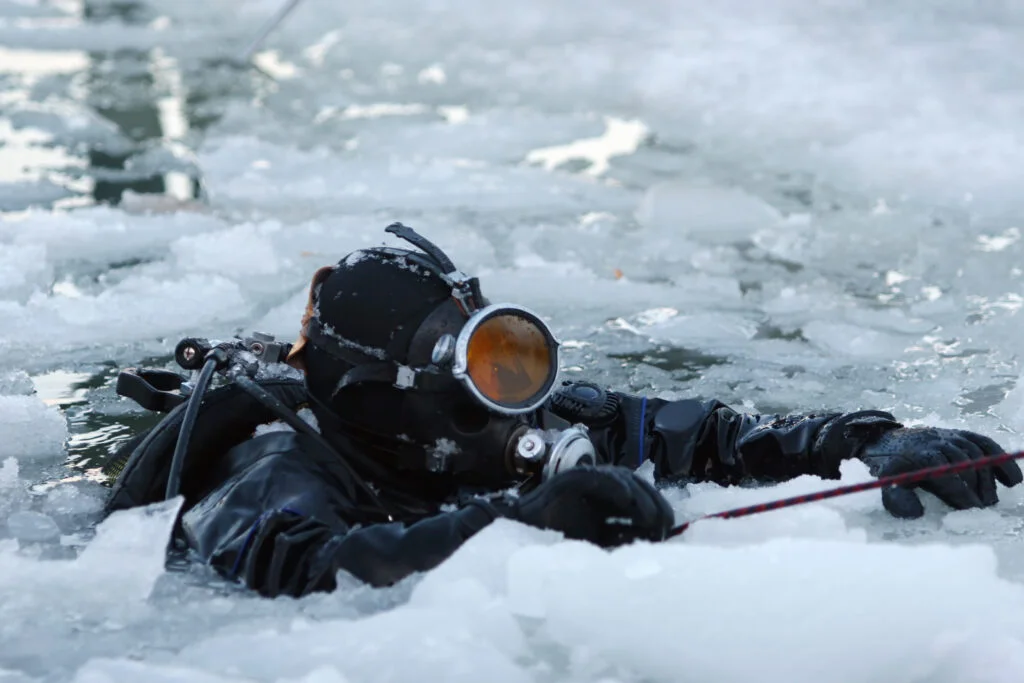
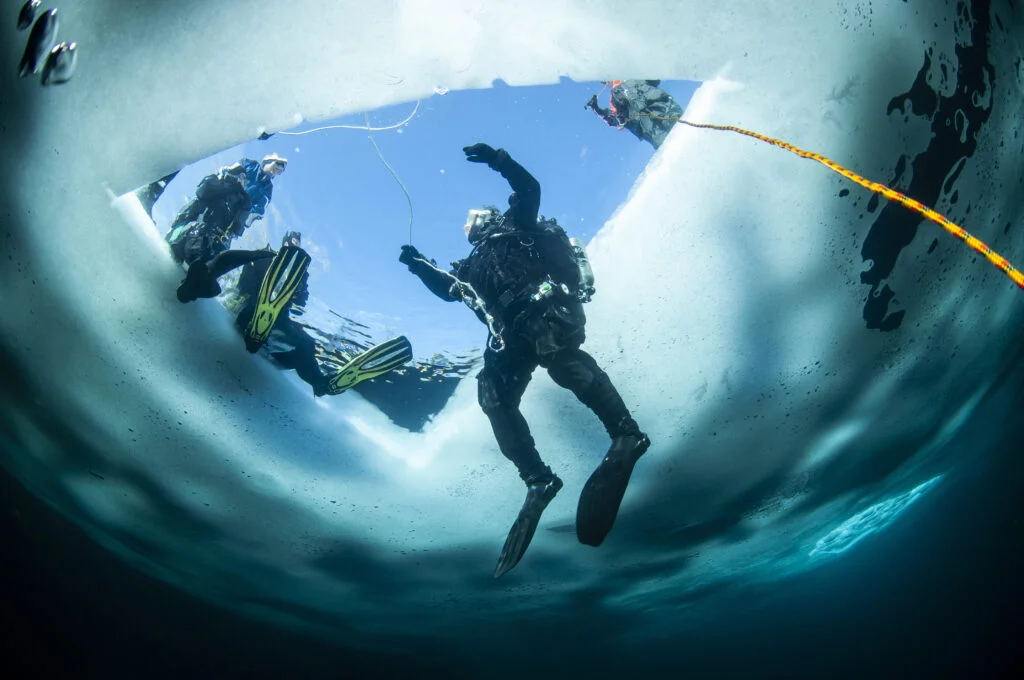
Freshwater diving occurs in rivers, lakes, and quarries. In saltwater settings, these ecosystems typically have less visibility, colder temperatures, and fewer marine organisms. Exploration of underwater caverns, swimming with freshwater fish and sea turtles, and looking for historical artifacts are just a few of the unusual experiences that freshwater diving can provide.

Disadvantages of diving in freshwater

Freshwater environments often contain fewer marine species than saltwater habitats. Although freshwater visibility can sometimes be better than saltwater visibility, it can also be poor in some circumstances, especially if there is a lot of silt or algae. Due to the cooler temperatures, freshwater diving frequently requires more equipment than saltwater diving, such as heavier wetsuits or dry suits.

Advantages of diving in freshwater

Compared to saltwater, freshwater settings can have clear water, but they can also have reduced vision because of silt, algae, or contaminants. Since freshwater habitats are often colder than saltwater ones, diving can be uncomfortable, and demand for thicker wetsuits or dry suits for additional thermal insulation. Due to this, diving may become more expensive and, for some divers, less pleasurable.

SCUBA Diving in Saltwater

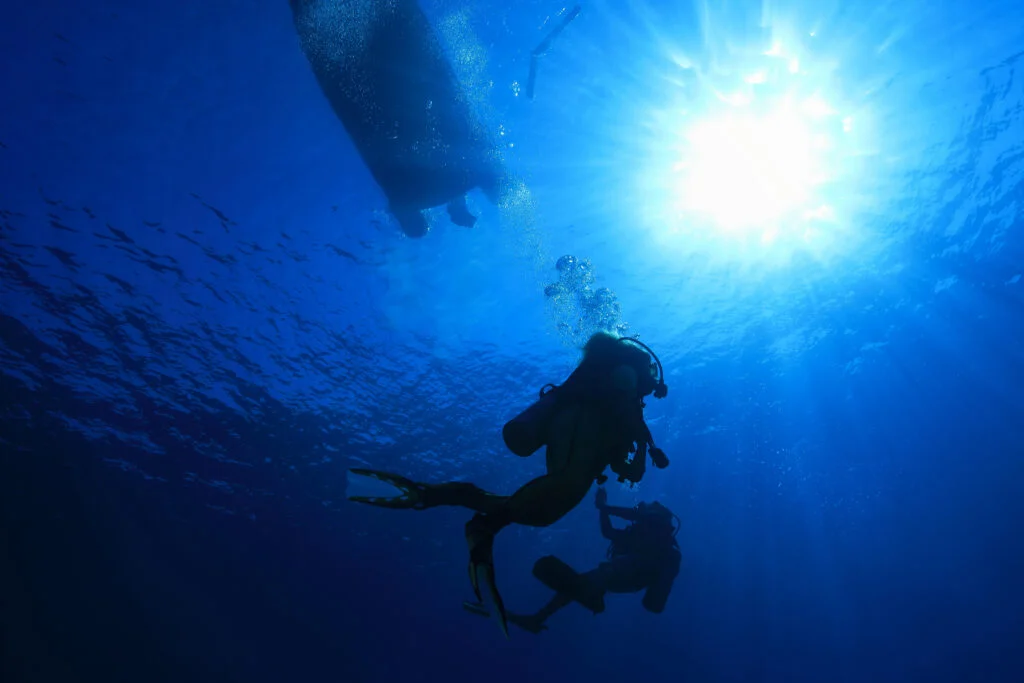
The usual locations for saltwater diving include coral reefs, oceans, and seas. Warmer conditions, better visibility, and a wider diversity of marine life, including coral, fish, sharks, and sea turtles, are typical characteristics of these settings. Saltwater diving is physically strenuous because of large currents, deeper depths, and more difficult dive planning because of tidal variations.

Advantages of diving in saltwater

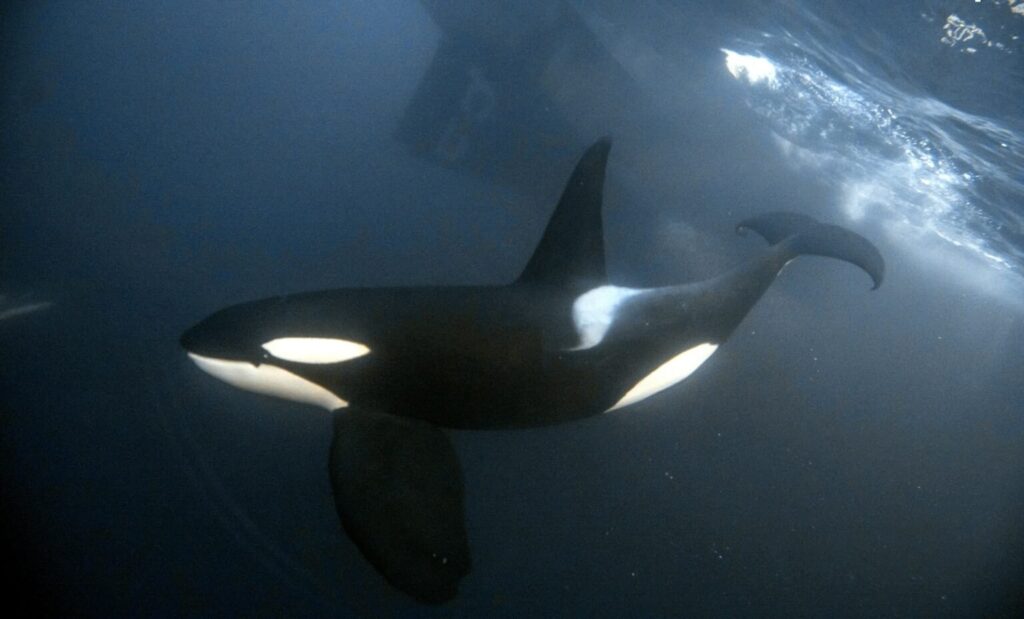
Abundant marine life, including coral reefs, tropical fish, dolphins, whales, and sea turtles, live in saltwater habitats. Divers can see numerous marine organisms and watch them behave naturally. Diving can be more pleasant because salt water is typically warmer than freshwater, particularly in tropical settings.

Disadvantages of diving in saltwater

In warm areas, saltwater can make divers more susceptible to dehydration. Before, during, and after dives, it’s crucial to stay hydrated. Invest in equipment designed to take on extreme temperatures or dark conditions. Investing in equipment may increase dive costs and the need for additional training and expertise.

Safety First! 

Complete your training and certification requirements for saltwater and freshwater diving. Abide by safety procedures to ensure a fun and safe dive. Your personal preferences and the kind of diving experience you’re seeking will influence where you go diving. For a secure and memorable diving experience, check out By the Shore SCUBA Instruction.

Reference Weblinks

https://dive.site/blog/saltwater-vs-freshwater-diving/#:~:text=Saltwater%20is%20denser%20than%20freshwater,type%20of%20tank%20they%20carry

https://www.scubadivingearth.com/is-scuba-diving-in-freshwater-different-from-saltwater/

https://openwaterhq.com/scuba/freshwater-vs-saltwater-diving/

https://www.social-diving.com/freshwater-vs-saltwater-diving/

Your Crash Guide to Becoming a SCUBA Diver

Beautiful underwater documentaries, photos, and experiences are shared online regularly amongst the SCUBA diving community. Considered water recreation, this activity does not require abnormal athletic ability but captivates people worldwide. Coming face to face with sea life is on the bucket list for many people. SCUBA diving gives you the most out of cruises and beachside vacations. With the rising popularity of SCUBA diving, you may wonder if you can embark on a dive. Though appealing and carefree, you need all your ducks in a row. Here is your crash guide to becoming a SCUBA diver and fulfilling your oceanic fantasies.

Getting your PADI Certification 

First and foremost, you need to know the type of certification you need. PADI certifications allow you to dive in the open ocean and use all the gear. Snorkel diving and free diving do not require certification for recreational purposes. To receive your PADI certification, take the Open Water diver course (get certified in as little as four days!) You need:

  • To be in good health (some countries and jurisdictions require a medical exam)
  • To be ten or older
  • Take a virtual PADI knowledge course such as PADI Elearning.
  • Obtain a PADI certification from a PADI-certified Master Diving Instructor.
  • Equipment
  • Fill out any forms required.
  • Most Open water class prices start at $550. 

SCUBA Diving Equipment

Some PADI instructors will provide you with air and life-saving equipment. Speak with your instructor beforehand before purchasing personal equipment. Most instructors do not recommend buying personal equipment until after the first class. Some schools offer life-saving equipment and require outside life-saving equipment to undergo inspection. You will need the following equipment:

  •  Reef gloves and hand protection
  • Your ID
  • Some schools require textbooks
  • Your mask, snorkel, fins, wetsuits, and drysuits (for cold water dives)

Life-Saving Materials

  • Buoyancy control device(BCD)
  • A regulator with your BCD
  • weight belts
  • dive computers Dive tables
  • weights
  • air and tanks (some schools provide these)

With all these materials, ask your instructor what they provide and what you need. You may need these things later, so come up with a plan. The cost of all these materials together can cost up to $5000. Some people rent these materials for $150-$200 a day. You can keep certain personal items and rent equipment like your life-saving devices. Paying as you need things is the smart way to go. Try not to rent materials for long-term investments. 

Additional Items

After you add up the costs of gear, keep these items in mind:

  • Research if you need your safety tube or other equipment for the jurisdiction where you are diving. 
  • Dive insurance for medical reasons and equipment can start around $130-$200 monthly per person, depending on the coverage.
  • Dive video and camera equipment can rise close to $1000.

Bon Voyage

After you have gone through your checklist and determined what you need now or later, it’s time to book an excursion. 

  • Chart an excursion with a PADI-certified team or instructor. You need to know there will be one individual with you that has a Master’s diving certification and is allowed to instruct others. 
  • Look for a top-rated excursion crew with a good reputation and who is reliable. 
  • Take a diving buddy. You may have your instructor present, but if they are leading a crew, you will need your dive buddy, who is also SCUBA certified. 

Embarking on your first excursion is an exciting experience you won’t want to forget. The dive camera ensures you can make memories that last a lifetime.

Sources-How Much does Scuba Gear Cost? & Is It Better to Rent? • Our Globetrotters

Best Scuba Diving Insurance (2022 EDITION) (divingsquad.com)

How Much Does Scuba Gear Cost? | Scuba Diving (keylargoscubadiving.com)

Scuba Certification: Everything You Need to Know (padi.com)

Amazon.com: scuba tank costs

Conquer Your SCUBA Dives with These Helpful Yoga Exercises

What do yoga and one of the world’s most technical sports have in common? They both require a hard deep breath. Ever wonder why strenuous exercise is beneficial for divers? It increases your red blood cell count and allows your body to hold oxygen for long periods. You can exercise via HIIT cardio and other forms of exercise, but yoga gives your body a stillness while holding deep breaths. Stretching your body’s use of oxygen will prolong your life support system and increase lung strength. Here are tips on why and how to practice yoga for SCUBA diving.

Work your Muscles

Working your muscles, particularly your lungs, allows your body to respond to deep breathing. Lung expansion means your lungs can hold more air underwater. Along with the decompression and contraction of the lungs, your ribs, pelvis, and spine need length and strength to allow room for deeper breaths. Pranamaya means breath control and is one of the main components of yoga. Breathing exercises require controlled yet deep inhalation. When you go SCUBA diving, the expanse of your lungs allows you to use more oxygen with less wasted energy. Your body’s surrounding muscles, including transverse abdominals, solar plexus, and thoracic, help your core and spine to protect the body and give you strength for submersion, surfacing, and carrying equipment throughout your dive. 

Focus and Awareness

Yoga increases the blood flow to your brain with pranamaya (deep breathing) and allows you to stay in touch with the body and mind. Dives require mental fortitude and strength. You can prevent dangerous situations by focusing on breathing. When you dive, you will need awareness to stay alert for any danger. If you are panicked or distracted, you increase your chances of being caught off guard or experiencing hypoxia. Clearing your mind for focus and stamina allows you to keep on top of problems before they begin.

Practicing Yoga for SCUBA Diving

The best yoga exercises for your SCUBA dive focus on deep breaths. While all of the yoga helps you practice pranamaya, some practices enhance your lungs’ capacity to utilize oxygen. To prepare the body for diving, practice the following moves. (Click a link to see how to perform each yoga pose.)

  • Mountain Pose– Stand tall in a natural and neutral stance. Raise your arms to the sky, breathe deeply pull in the belly button as you stretch up and back. Your chest expands as your waist and ribcage contain the air pressure. Your pelvis pushes downward as you control the impulse to pee.
  • Forward Fold– After you stretch in mountain pose, maintain a straight spine and solid core as you bend at your hips. The goal of the forward fold is to remain straight and gradually fold into a bend. Remain completely straight, inhaling from crown to tail until the chest and spine decompress. The movement will stem from your hips until you create a 90-degree angle with your body. Exhale as you slowly allow each vertebra of your spine to relax over your legs.
  • Upward Dog– Start at a downward dog with hands and feet on the ground and butt into the air. Keep your spine straight even if you have to bend your legs. Slide your head and chest down through your arms. Breathing in, claw your hands into the ground as you lift from your chest and pull your chest upward. Look forward as your pelvis and thighs dangle above the ground. Breathe out as you settle into the upward dog. Your thighs should be relatively close to the ground. Mastering the upward dog means your pelvis should be less than an inch off the ground, your chest forward and up, and your neck and upper spine are straight and aligned.
  • Half Standing Forward Fold– This move is like the forward fold, except you keep your spine 90 degrees from your legs. Remain bent and breath from the tailbone to the crown while tightening your kegel muscles. Allow your spine and chest to lengthen and decompress with each deep breath.  
  • Four-Limbed Staff Pose– Position yourself for a plank. Inhale deeply and maintain a straight line as you bend your elbows until your body is parallel and hovers over the floor. You will maintain a straight line from the heels to the tailbone to the crown. 

Remember your Breath

As you move into yoga, remember your breath. While going through your yoga exercises, inhale air with a tight core while pushing air into the pelvis, ribs, crown, and waist. Everything should expand and contract in unison. Focus on your breath with deep inhalations and controlled exhalation. SCUBA divers who want to improve their oxygen intake should consider a course in Nitrox air diving. Nitrox air is oxygen and nitrogen-rich, meaning divers can stay underwater longer. Contact By the Shore SCUBA Instruction for more information about Nitrox air and how you can use this air for your next SCUBA dive.

SourcesReunite With Your Breath | Yoga With Adriene – YouTube

Four-Limbed Staff Pose (Chaturanga Dandasana) How to do – YouTube

Most Overlooked Yoga Posture IMO – Ardha Uttanasana (Half Lift) – YouTube

How to Do a Standing Half Forward Bend – YouTube

Forward Fold: Am I Doing This Right?! – YouTube

How to Do an Upward Facing Dog | Yoga – YouTube

Yoga Poses to Master for Better Diving – Singapore Diving Review and News (diver. sg)

How yoga benefits diving. — Bouley Bay Dive Centre (scubadivingjersey.com)

Anatomy of breathing: Process and muscles of respiration | Kenhub

transverse abdominal muscles – Google Search

What Are Core Muscles – How to Build a Strong Core With Exercises (menshealth.com)

The Simplest Thing You’re Doing Wrong That’s Slowing Your Progress (linkedin.com)

Surviving a Shark Attack While Cage Diving

Great White shark while coming to you on deep blue ocean background

Have you ever dared to cage dive with the Great White off the coast of South Africa or even in the Bahamas with the Caribbean Reef Shark? Most divers have never been on a cage dive with sharks, but the few who have looked death in the face. Sometimes the sharks are a little aggressive. Sometimes they seek blood. Do they seek to attack cage divers? There has never been a death by cage diving with sharks ever recorded, but this doesn’t mean sharks have never attacked cage divers. A conflict arose when a great white plowed into a cage with Mark Currie during a cage dive off the coast of South Africa in 2005. The boating company tried to launch a lawsuit against the British tourist when they said he damaged their equipment. In addition, they held a lawsuit against local media outlets for exaggerating the news story. You would think that Mark would have sued the company, but he described the incident as the most exciting experience of his life. Was Mark merely trying to receive fifteen minutes of fame, or was his near-death experience so exhilarating he had to share it with the world? We may never know. We do know that sharks have attacked cages before, and sharks have attacked divers in the open ocean. Those two facts together are enough to place any cage diver on edge.

Precautions to Take when Cage Diving

Most of us would not be thrilled if a shark plowed into our cage. So how do you survive or prevent a shark attack? Some cage diving companies consider safety, while others use chum to lure sharks in. There have even been ethical debates concerning cage diving. Read these precautions to take when cage diving and decide for yourself. 

  • Chart a cage diving company that does not use chum to lure sharks towards the boat. The best cage diving tour guides know where the sharks are. Using chum to draw the sharks in takes away their fear of humans. 
  • If the conditions are murky in the water, it’s best to steer clear of these areas. Avoid areas with chum in the water. (See above.)
  • There is strength in numbers. Take a dive buddy with you.
  • Ensure your lines and tubes are correctly tied and gathered to avoid a shark taking hold of you. 
  • Keep one hand on the cage as you climb down inside. This practice ensures you can quickly pull yourself inside if a shark approaches.
  • Use the controlled seated technique to get inside the cage. Your cage dive team should demonstrate it. You use both hands to pull yourself down into a seated position. 
  • If you want to take photos, climb into the cage first. Then have someone hand you your camera. Otherwise, you cannot hold onto the cage bars as you descend. 
  • Avoid a collision with your dive buddy. 
  • Never extend cameras or limbs outside the cage, which the shark considers bait.*
  • Remain calm at all times. Movement can disturb the shark. 
  • Take a diving knife in case you become stuck or trapped by your equipment.

These tips are helpful to prevent a shark from noticing you, but what if they can’t resist plowing into your cage. If you find yourself close to the abyss of a shark’s jaws, you can still escape if you act fast and follow the tips below.

  • Keep your eyes on the sharks at all times. They are less likely to approach if they know you are watching them. 
  • If a shark pushes into a cage, sinking below or above them is your best chance of survival. Sharks cannot swim backward, which means they will be thrashing around with you inside the cage.
  • Most cages have an exit hatch in case of a shark attack. Ask the charter to show you how to operate the escape hatch before diving.
  • Once you exit the cage, be mindful of other sharks lurking nearby.
  • If you need to exit the cage from deep levels, open the cage and exit quickly with your dive buddy. Inflate your BCD and swim to the top with your dive body. 

While there is no guarantee that you will survive a shark attack, your chances of survival are greater if you follow the tips above. The best way to prevent death by cage diving is to speak with your SCUBA instructor; they may be able to offer you a course in cage diving. If you have any questions about cage diving, contact By The Shore SCUBA Instruction.

*This statement above is based on accuracy but is inserted for dramatization.

By the Shore SCUBA Instruction is not certified to offer advice concerning marine animal behavior. The advice above is not guaranteed to stop injury or death from occurring. We write this article based on the experience of individuals, divers, cage dive charters, and others who work directly with sharks. You attempt cage diving at your own risk to life and limb. 

Sources- 

Shark Cage Diving Safety Tips – Shark Bookings

Extreme Great White Shark Cage Attack | World’s Scariest Animal Attacks – YouTube

Tourist who escaped shark attack faces legal action | The Independent | The Independent

Shark experts set to sue media | News24

Is it Ethical to Dive and Swim with Sharks? (worldnomads.com)

Equipment For Scuba Diving: An Illustrated Guide For Beginners (diverbliss.com)

The Best Way to Escape a Shark When You’re ’47 Meters Down’ (inverse.com)